
Once a bonus point — today a basic essential Just a few years ago, English was seen as a bonus. Something that gave children an advantage. Today, the situation is changing faster than many people realize. Children are growing up in an environment where English is present in games, videos, technology, and everyday communication. For...
English Is No Longer an Advantage. It Is the New Necessity.
22. April 2026by bpotocnak
Once a bonus point — today a basic essential
Just a few years ago, English was seen as a bonus. Something that gave children an advantage. Today, the situation is changing faster than many people realize. Children are growing up in an environment where English is present in games, videos, technology, and everyday communication.
For teachers, this brings a new challenge. It is no longer a question of whether children will encounter English, but how well they will be able to use it.
Why vocabulary alone is not enough
On social media, we often see children who know a lot of English words. In the classroom, however, we find that they only understand partially and do not use the language consciously. The digital environment offers many stimuli, but less true understanding.
That is why English teachers are increasingly talking about the need to slow down and build language systematically — not through quantity, but through the quality of experience.
The pressure to perform versus natural learning
When English begins to be seen as a necessity, pressure arises. Parents want results, schools want progress, and teachers find themselves between expectations and the reality of child development.
But children still need the same things as before: movement, connection, safety, and time. If language enters their world too quickly or too academically, it can become a source of stress instead of discovery.
The role of the teacher in this new reality
A modern English teacher is no longer just someone who passes on vocabulary. They become a guide who helps children understand language in context. This means creating lessons where language has meaning — where children communicate, experiment, and make mistakes without fear.
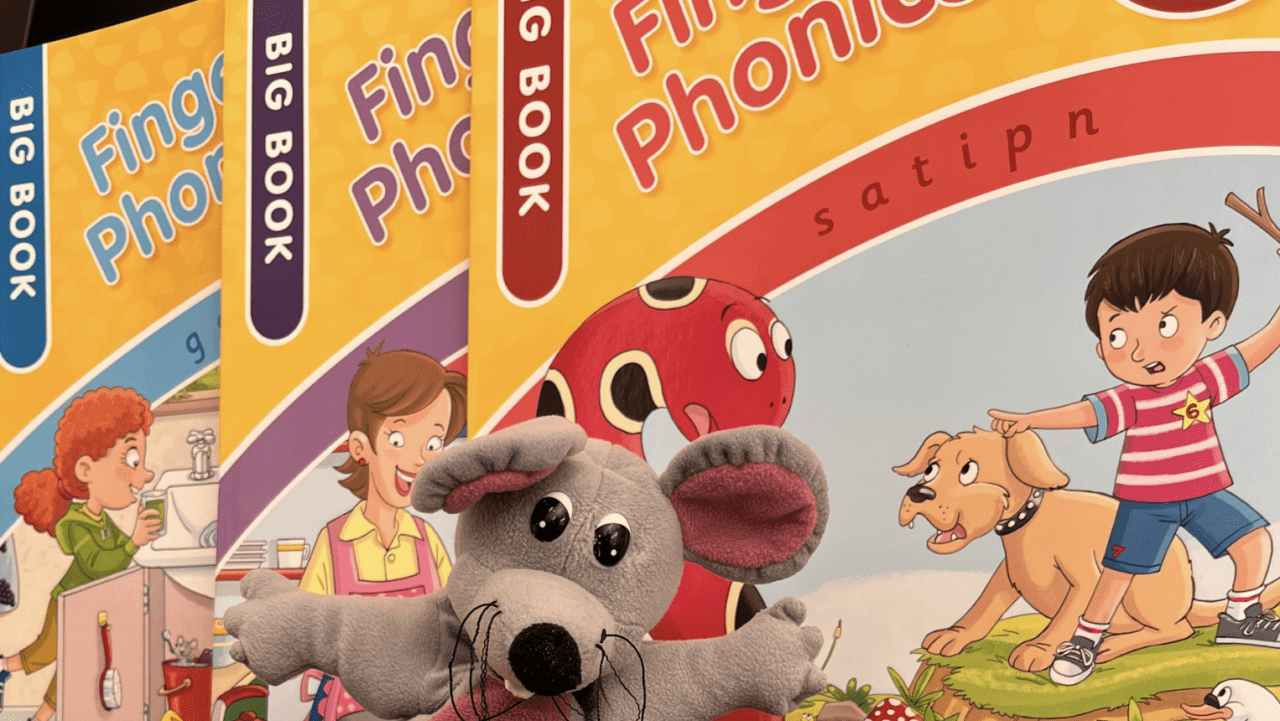
Methods such as Jolly Phonics or Montessori show that language can be taught systematically and at the same time respectfully.
English as part of identity, not just a subject
Children today do not see English as “an extra lesson.” It is part of their world. When a teacher works with language as a natural part of life, children begin to use it spontaneously — not because they have to, but because they want to.
Perhaps this is the greatest change of recent years. English is no longer the goal. It is a tool through which children discover the world — and without it, they may also feel lost.
Where language education can move next
The future of language education will probably not be about speed, but about depth. Less memorization and more understanding. Less pressure to perform and more trust in the learning process.
And perhaps it is the teachers who are looking for new paths today who will help children see English not as an obligation, but as a natural part of their lives.
