
When the lesson plan works… but the class does not Many English teachers know this feeling. The lesson is prepared, the activities make sense, the materials look great — and yet the children still cannot tune in. Some become disruptive, others withdraw into themselves, and some respond with resistance. We often try to look for...
Why Children Do Not Cooperate in English Lessons – and What Teachers Can Do About It
22. April 2026by bpotocnak
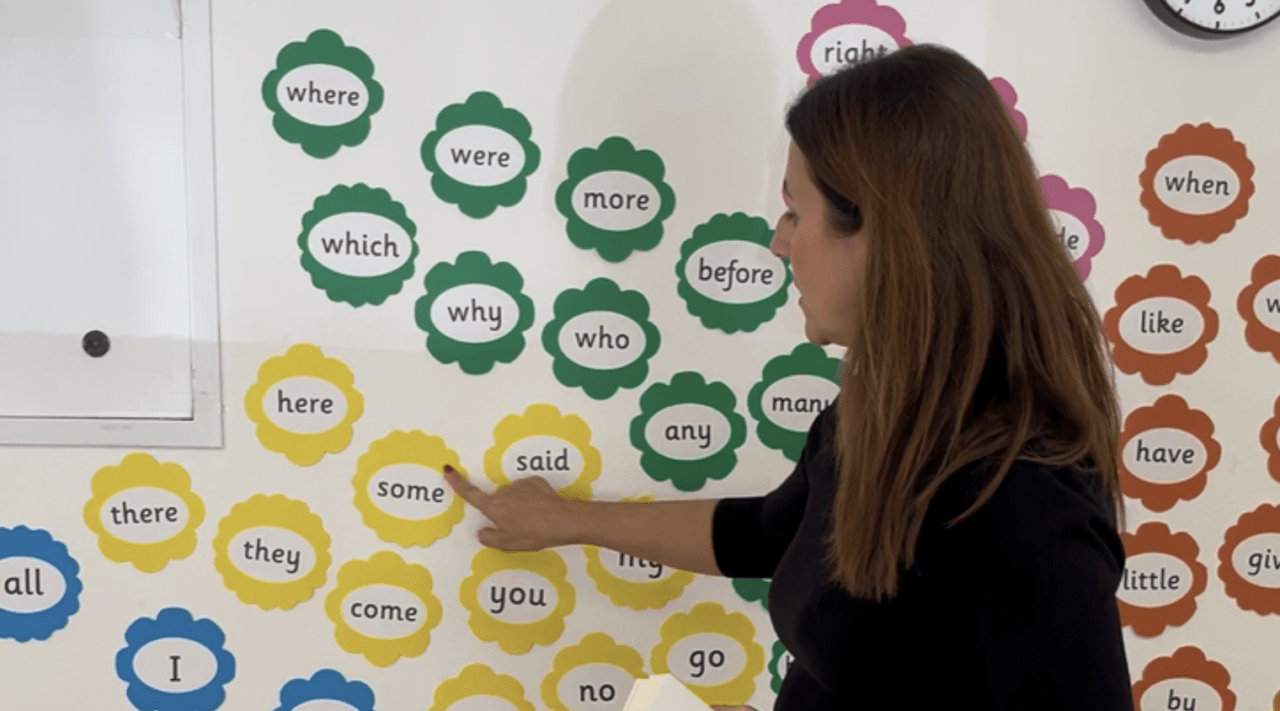
When the lesson plan works… but the class does not
Many English teachers know this feeling. The lesson is prepared, the activities make sense, the materials look great — and yet the children still cannot tune in. Some become disruptive, others withdraw into themselves, and some respond with resistance.
We often try to look for new games or worksheets. But the problem may not be in the activity itself, but in how the children feel in the learning environment.
Children do not need more stimulation — they need more security
In preschool and early primary years, children respond very sensitively to the structure of a lesson. If they do not know what is going to happen, or if the pace is too fast, they lose their sense of safety. That is when restlessness appears — something we often interpret as a lack of cooperation.
A teacher does not need to change the whole program. Sometimes it is enough to slow down the beginning of the lesson, give a clear signal when moving between activities, or offer a simple choice.
Why some children refuse to get involved
When a child does not want to cooperate, it does not necessarily mean they are not interested in English. Often, it is a moment when they feel uncertain or overwhelmed. A teacher who can notice small signals — moving around the classroom, avoiding eye contact, or frequent disruptions — can respond before the situation grows into conflict.
Both Jolly Phonics and Montessori education work with the idea of minimal assistance. A child is given only as much support as they truly need in order to continue independently.
The classroom atmosphere as the foundation of learning
Teachers often look for new methodologies, but the greatest change comes from working with the atmosphere. When the classroom is calm and predictable, children naturally cooperate more.
It is not about silence at all costs, but about the feeling that everyone knows what to do and that their pace is respected.
Small changes that make a big difference
Sometimes it is enough to move an activity from the carpet to the table, give children the opportunity to work in smaller groups, or add a movement element. This means the teacher does not need to change the content of the lesson, but rather the way children experience it.
It is often these small adjustments that lead to greater concentration and less stress — for both the children and the teacher.
The teacher as a guide in the process
An English teacher does not need to be an entertainer all the time. Children are capable of working independently if they are given a clear structure and trust. Then language stops being seen as performance and becomes a natural part of the classroom.
And perhaps that is exactly when the teacher realizes that change does not come from new materials, but from a new way of seeing the child. And that is exactly what the Jolly Phonics method is about — and we see its benefits in the classroom every day.
